WPC Boards

WPC

The term “wood–plastic composites” (WPCs) globally refers to wood as a proxy for fibrous materials of plant origin. It can be wood flour or sawdust, or agricultural plant residues, typically cut, milled, or ground, or other types of natural fibre, such as hemp, jute, and kenaf, commonly as a by-product of the respective industrial process as per global terminology.
Wood-plastics composites (WPC) are a new group of materials that are generating interest in both the overseas and in India now. The term ‘WPC’ covers an extremely wide range of composite materials using plastics ranging from polypropylene to PVC and binders/fillers ranging from wood flour to flax. These new materials extend the current concept of ‘wood composites’ from the traditional compressed materials such as particle-board and medium density fibreboard (MDF) into new areas and, more importantly, a new generation of high performance products.
WPC Door/Board

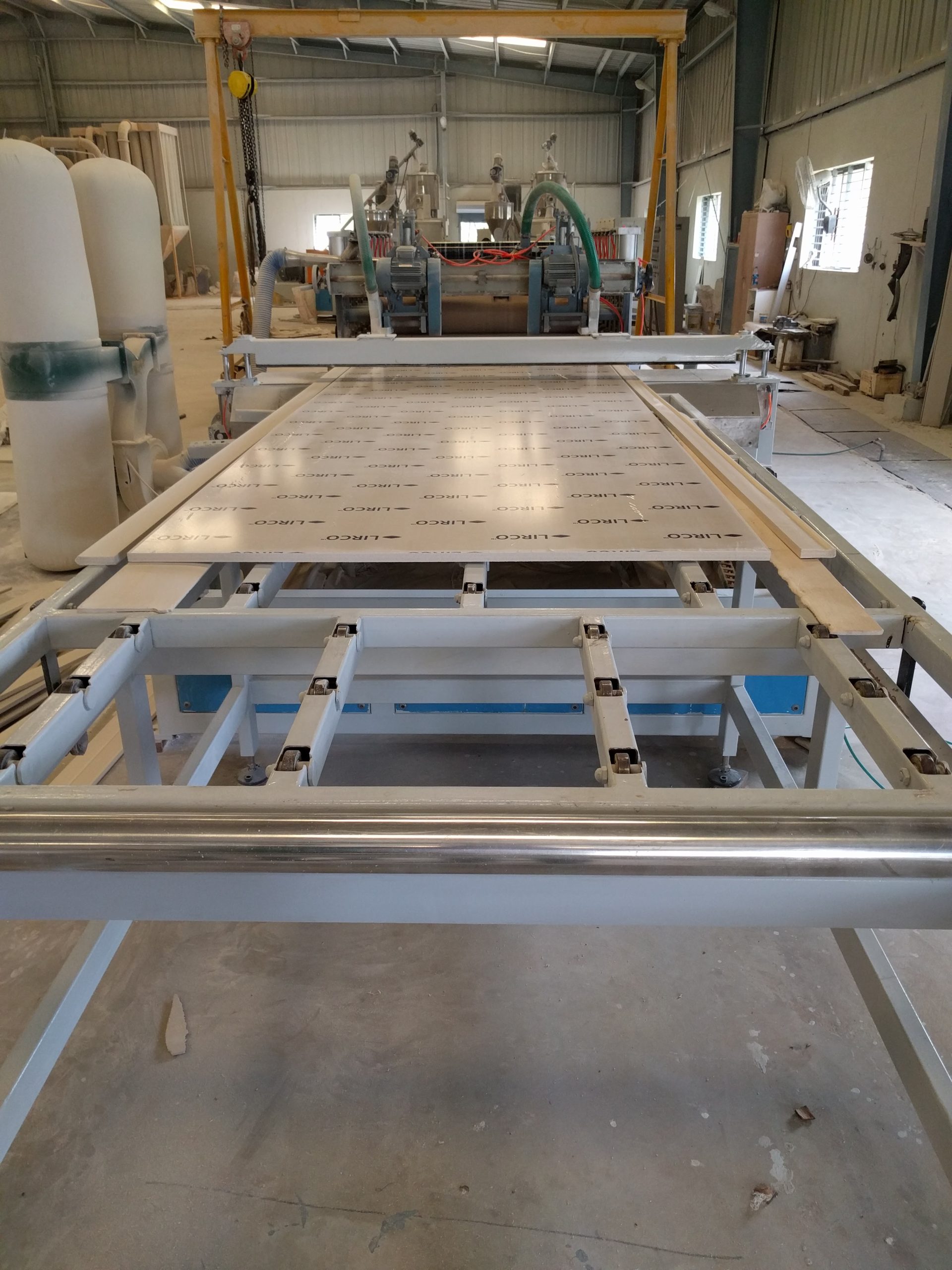
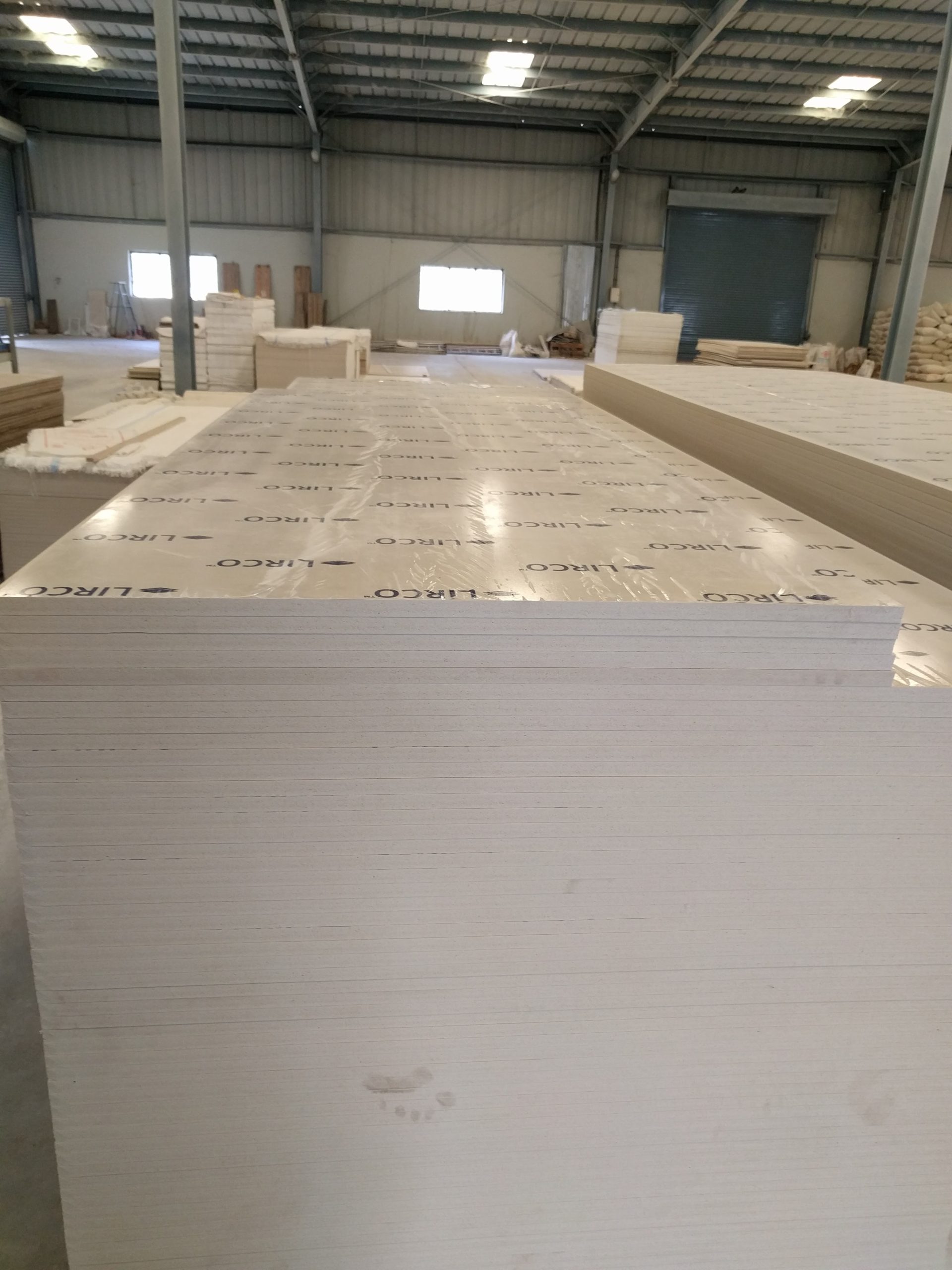
Wood plastic composite boards is the most generic product from the range of Lirco composites. WPC boards is the new generation product replacing the Plywood, MDF and even Acrylic surface for various applications based on Cost and quality parameters.
WPC boards are available with matt and semi gloss finishes and in woody colours. A fine surface with different natural grains created during the product process, gives WPC board a unique look with each panel.
WPC board can be surface decorated with HPL, Veneer, PVC film, PVC Edgebend and different coats. Board surface can be PU coated, UV coated, Painted with Oil and and other conventional paints with PVC primer application.

WPCs have many benefits

  1. They are true hybrid materials and combine the best properties of both wood and plastics.
  2. They use low cost and plentiful raw materials.
  3. Wood waste and recycled plastics become assets instead of liabilities.
  4. They are competitively priced and are competitive with traditional materials such as timber, MDF and PVC-U.
  5. They are easily produced and easily fabricated using traditional wood processing techniques.
  6. They are available in a broad range of finishes and appearances.
  7. They are easily recycled after use.

The benefits of WPCs

WPCs can produce the final shape through extrusion processing. This maximises resource efficiency and gives design flexibility for improved fastening, stiffening, reinforcement, finishing and joining. WPCs are wood products that need no further processing. WPCs are weather, water and mould resistant for outdoor applications where untreated timber products are unsuitable. WPCs are plastic products with exceptional environmental credential and performance. WPCs have a wide range of applications. They can cost effectively replace wood products in applications such as furniture, doorframes, decorative profiles, in fact anywhere wood shapes are used. They can cost-effectively replace plastic products in applications such as window frames, cable trenching, roofline products and cladding, in fact anywhere that plastics shapes are used.

technical advantages

A technical, clean and green product for new generation Reliable product for lifetime investment Excellent water and moisture resistance Best for use in humid atmosphere Total termite resistant Non toxic and borer free High screw holding capacity Highest bending strength thanwood, plywood and MDF Corrosion resistance Best machinability Best for sandwich construction 100% recyclable Saves tooling life almost 50% than M DF,Plywood and Particle boards Better compressive strength Fire resistant Easy to fabricate for carpenters Mouldable structure from 90deg to 180deg Better surface hardnes

For sandwich construction in higher thickness applications, WPC boards can be pasted with each other with PVC solvent cements for creating thickness formations like 36 mm, 72 mm and etc.

Apart from that, WPC can be used with any traditional or modern carpentary tools and machines, respectively.